May 6, 2026
Seasonal Maintenance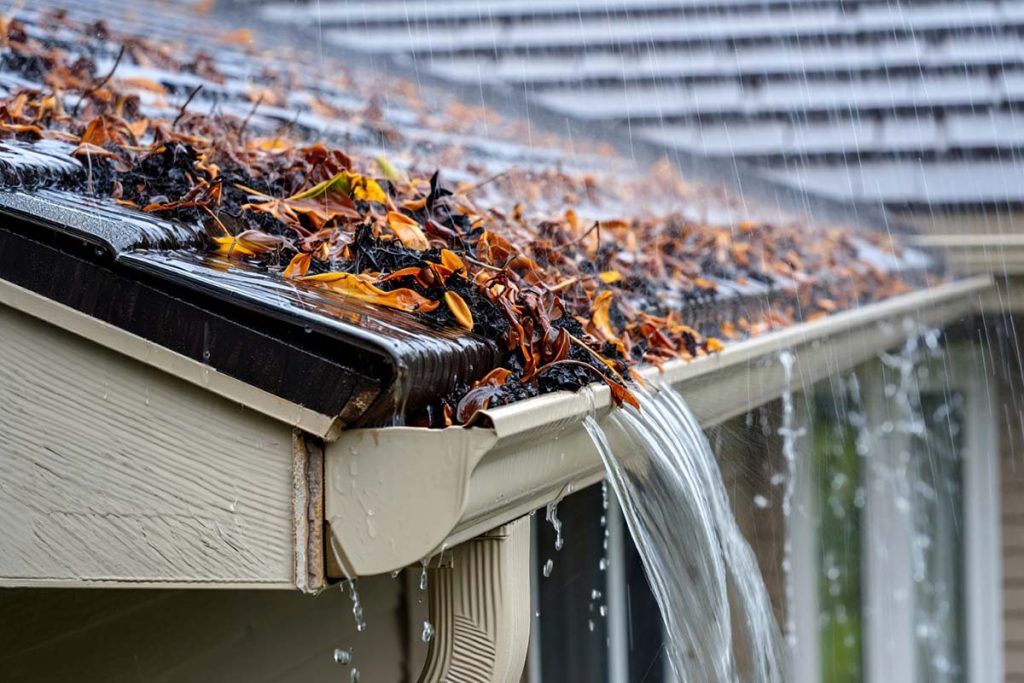


The Job Gutters Actually Do
Most homeowners think of gutters as a minor feature — a trim detail around the roofline. In reality they're one of the hardest working systems on your home. Every time it rains, your roof sheds hundreds of gallons of water. Gutters catch that water and direct it away from your foundation, your siding, your landscaping, and your basement.
When they work, you never think about them. When they fail, the damage shows up everywhere.
What Happens When Gutters Get Ignored
A clogged or damaged gutter isn't just an eyesore — it's a slow-moving disaster for your home's structure. Here's what neglected gutters actually cause:
The frustrating part is that none of this damage is visible until it's already significant. Gutters fail quietly.
Signs Your Gutters Need Attention Right Now
You don't have to wait for damage to show up. Your gutters will give you warning signs if you know what to look for:
Any one of these is worth addressing immediately. Multiple at once means you're already behind.
How Often Should You Clean Them
The standard recommendation is twice a year — once in late spring after tree pollen and seeds have settled, and once in late fall after the leaves have fully dropped. But that's a baseline, not a rule.
Here's how to think about your specific situation:
When in doubt, do a visual check from the ground after a heavy rain. If water isn't flowing out the downspouts, something is blocking it.
Gutter Guards — Worth It or Not
Gutter guards get a lot of hype and a fair amount of skepticism. The honest answer is they're worth it for some homes and overkill for others.
They work best on homes with heavy tree coverage where cleaning gutters two or three times a year is genuinely burdensome. A quality micro-mesh guard will dramatically reduce debris accumulation and make annual maintenance much simpler.
They're less necessary on homes with minimal tree coverage where a twice-yearly cleaning is quick and inexpensive.
What they won't do is eliminate maintenance entirely. Every gutter guard system still requires periodic inspection and occasional cleaning. Don't let anyone sell you a "never clean your gutters again" promise — it doesn't exist.
Downspouts Matter Just as Much
Most homeowners focus on the gutters themselves and forget about downspouts entirely. A clear gutter connected to a clogged or misdirected downspout still causes all the same foundation and drainage problems.
A few things to check:
The Bottom Line
Gutters are one of those home systems that reward attention and punish neglect in a very uneven way. Keeping them clean and functional costs almost nothing. Repairing the foundation damage, basement moisture, and rotted fascia that comes from ignoring them can run anywhere from a few thousand to tens of thousands of dollars.
Clean gutters twice a year. Check them after big storms. Keep your downspouts clear and pointed away from the house. That's it.
At routine. we keep track of this stuff for you — so a simple seasonal task never turns into an expensive repair.
May 6, 2026
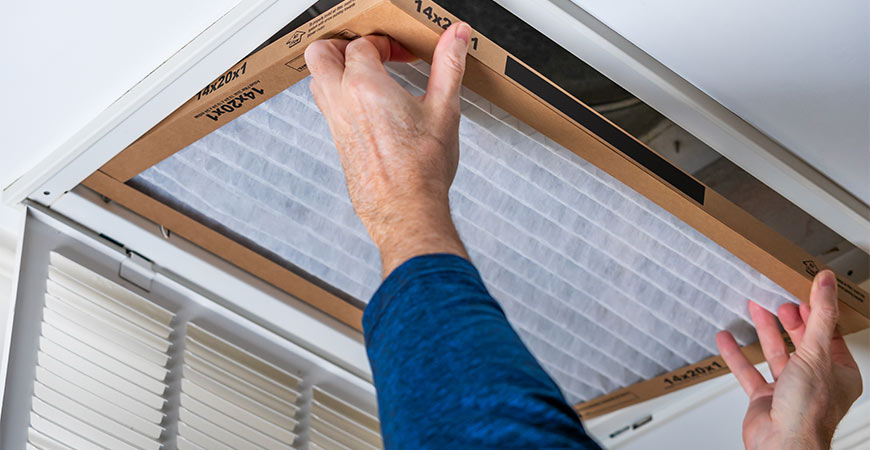
HVAC & Air QualityOne small filter. One easy swap. One of the biggest impacts on your home's health.
May 6, 2026
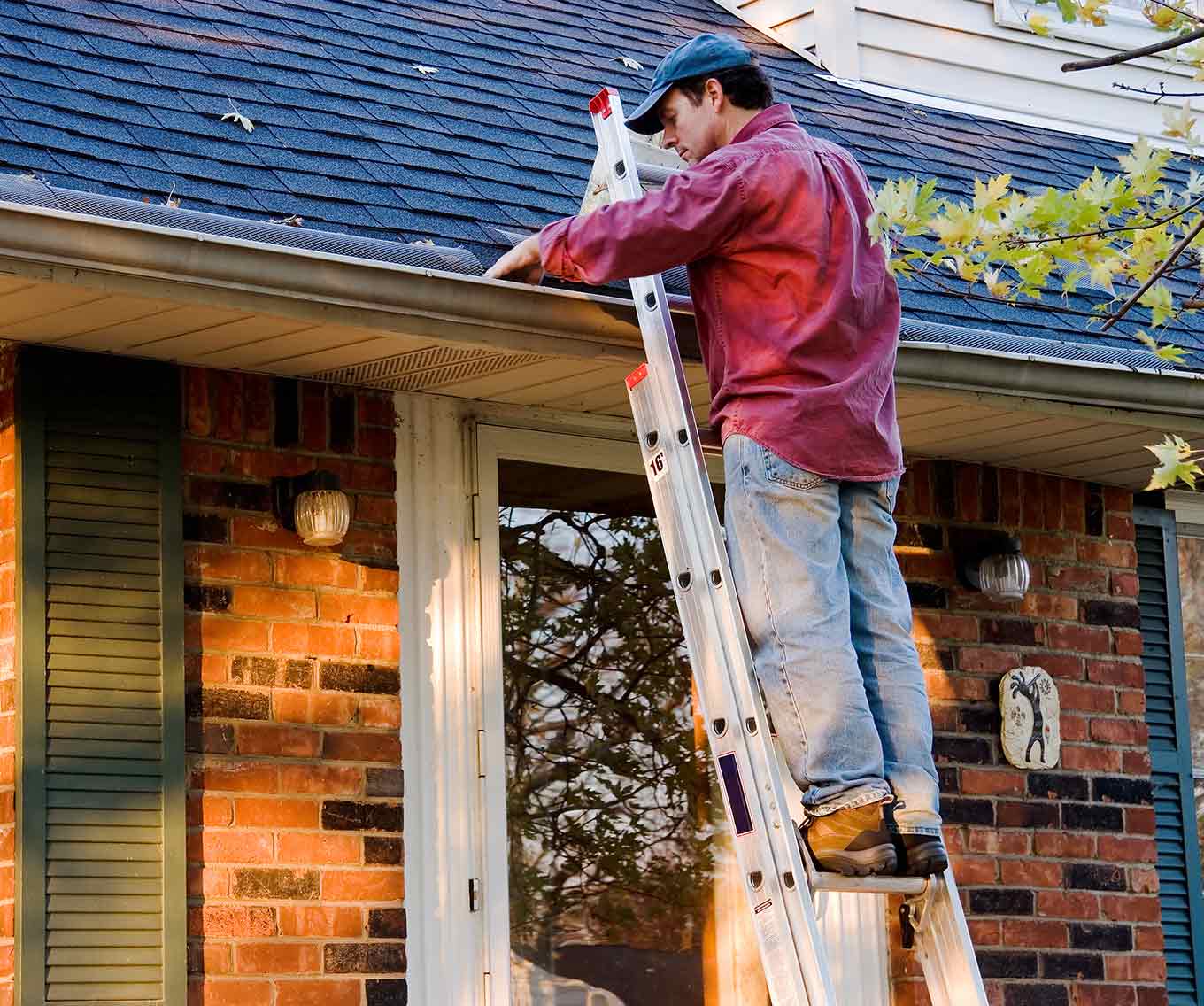
Maintenance ChecklistsYour home works hard year-round — and so does everything in it. The roof takes the heat of summer, the pipes brace for winter, the gutters fill up every fall, and spring reveals whatever the cold left behind.




Connect with a Webflow Expert to create a website using this template.Learn More